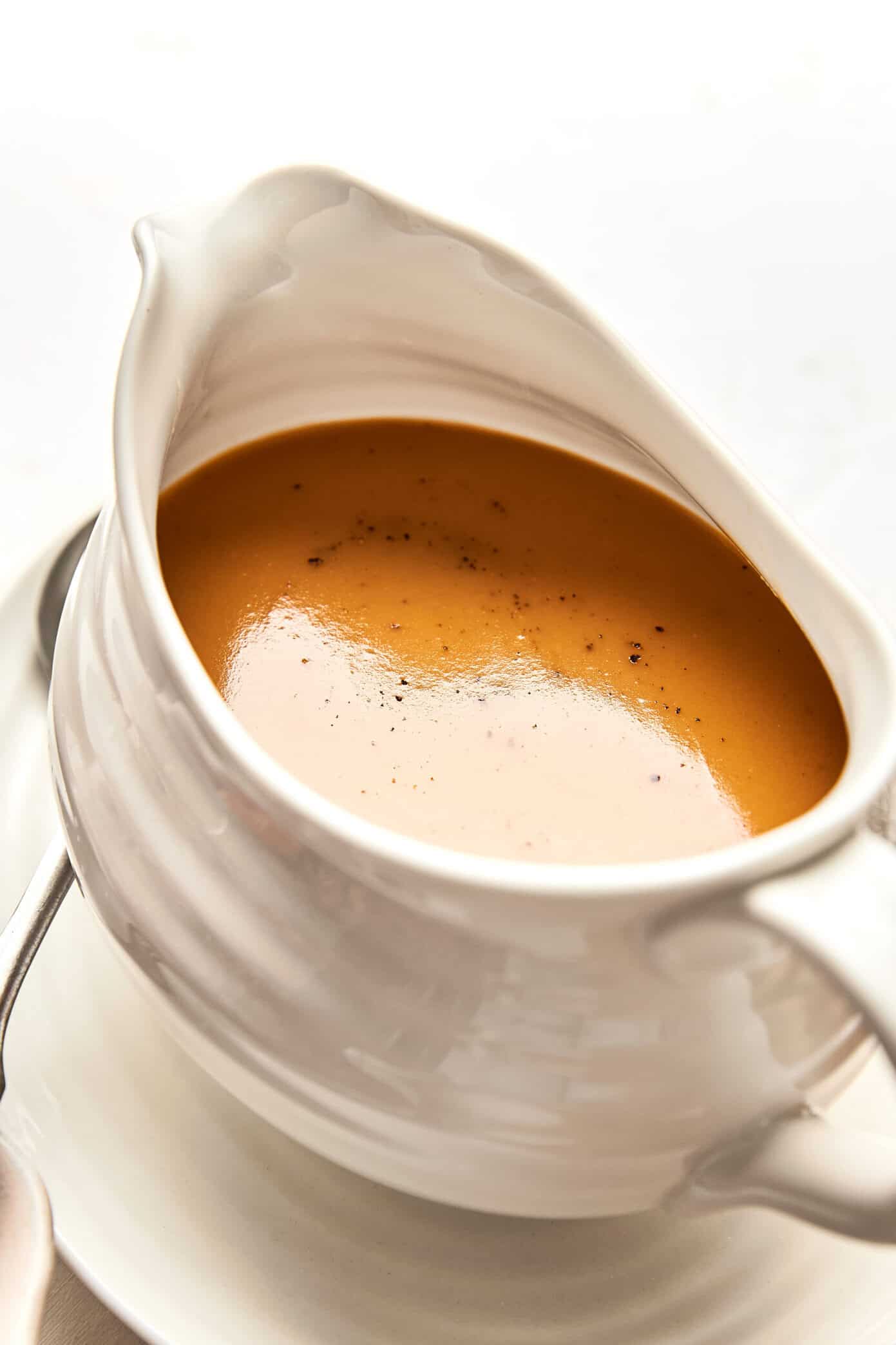
Foolproof Turkey Gravy: Unlocking Rich Flavor with Pan Drippings, Fast!
Thanksgiving dinner, Christmas feast, or even a simple Sunday roast — no turkey meal is truly complete without a luscious, savory gravy. While store-bought options exist, there's an unparalleled depth and richness that comes from homemade gravy, especially when it's built from the glorious pan drippings of your roasted bird. Forget complex culinary techniques or hours spent slaving over the stove; this turkey gravy recipe promises a truly foolproof and incredibly fast path to the most delicious gravy you've ever tasted.
In just about 20 minutes, you can transform those seemingly humble turkey drippings into a warm, velvety sauce that will elevate every bite. Even if you only have a few tablespoons, that’s more than enough — those drippings are pure liquid gold, infused with all the herbs, seasonings, and browned bits from your turkey, ensuring an unmistakable holiday flavor that simply can’t be replicated. This guide will demystify the process, showing you how to harness this natural bounty for a gravy that tastes like it took all day, but truly comes together in a flash.
Why Pan Drippings are Your Gravy's Ultimate Secret Weapon
Many home cooks might be tempted to discard the contents of their roasting pan after the turkey is removed, but that would be a grave mistake! The pan drippings are the very essence of your turkey, a concentrated elixir of flavor that holds the key to an extraordinary gravy. As your turkey roasts, its juices intermingle with any butter, oil, and seasonings you've used, caramelizing and settling at the bottom of the pan. This creates a deeply savory foundation that is simply unmatched by plain broth or stock.
Think of it: every herb you tucked into the cavity, every seasoning rubbed on the skin, every delicious "fond" (the browned bits stuck to the bottom of the pan) — it's all there, patiently waiting to lend its incredible complexity to your gravy. Opting for homemade gravy using these drippings is not only a fantastic way to ensure peak flavor but also a brilliant "no waste" approach to cooking. There's truly no need to spend extra money on store-bought gravy packets when you already have the most flavorful ingredient right in your roasting pan, ready to be transformed.
The Simple Science of a Perfect Turkey Gravy: Mastering the Roux
At the heart of any great, smooth, and lump-free gravy lies the roux — a foundational thickening agent made from equal parts fat and flour, cooked together. It might sound fancy, but it's remarkably straightforward and the secret to achieving that luscious, velvety texture without a hint of raw flour taste. Here's how to craft your perfect gravy:
1. Skim the Fat & Prepare Your Drippings
- Once your turkey is out of the oven and resting, carefully pour the pan drippings into a heatproof measuring cup or a fat separator.
- Allow the drippings to sit for a few minutes. You'll notice the fat naturally separating and rising to the top.
- Gently skim off 3 to 4 tablespoons of the fat. This is crucial for making your roux. Don't be tempted to use more fat than needed; an excess can make your gravy oily or greasy.
- Strain the remaining liquid drippings through a fine-mesh sieve into another bowl. This removes any small bits of turkey or herbs, ensuring a silky smooth gravy. Reserve this strained liquid — it's your concentrated turkey flavor!
2. Create the Roux
- In a medium saucepan set over medium heat, melt the 3-4 tablespoons of reserved turkey fat. If you have less fat, you can supplement with butter or a neutral oil to reach the required amount.
- Once the fat is shimmering, gradually whisk in an equal amount of all-purpose flour (3-4 tablespoons). This 1:1 ratio is key to proper thickening and a silky finish.
- Continue whisking constantly for 2 to 3 minutes. The mixture will bubble and transform from a paste into a smooth, lightly golden, and fragrant roux. This cooking time is essential to eliminate the raw flour taste — you don't need it to turn dark, just enough to develop a beautiful, toasty flavor.
3. Build the Gravy
- Gradually, and slowly, pour your strained turkey drippings into the roux, whisking continuously. Adding the liquid slowly is paramount to preventing lumps and ensuring a smooth emulsion.
- Once all the drippings are incorporated, if you desire more gravy or a deeper flavor, begin adding warm chicken or turkey broth/stock, a little at a time, whisking well after each addition. The amount of additional liquid is flexible, allowing you to achieve your ideal consistency and volume.
- Bring the mixture to a gentle simmer, whisking occasionally, and let it cook for about 5-7 minutes. The gravy will thicken as it simmers. Continue to whisk until it reaches your desired velvety thickness.
- Taste and season with salt and freshly ground black pepper as needed. Remember, your drippings are already seasoned, so taste before adding too much.
Elevating Your Gravy: Tips for Extra Depth and Volume
While the basic turkey gravy recipe using pan drippings is phenomenal on its own, there are ways to enhance its depth and yield even further:
Utilizing Giblet Stock for Classic Flavor
For an old-fashioned, deeply savory gravy, consider making a quick stock from the turkey neck and giblets (excluding the liver, which can impart a bitter taste). Simply simmer them in a small saucepan with water, a quartered onion, a stalk of celery, and a bay leaf for about 30-45 minutes. Strain the resulting liquid and use it as part of the liquid component when building your gravy. This adds another layer of authentic turkey flavor and helps extend your gravy, which is perfect for feeding a larger crowd.
Adjusting Yield and Consistency
One of the beauties of this recipe is its flexibility. You don't need drippings from a huge 15+ pound turkey to make a delicious gravy. If your drippings are scarce, simply supplement with extra chicken or turkey broth/stock. Conversely, if your gravy turns out too thick, a splash more warm broth will thin it right out. If it's too thin, a quick cornstarch slurry (1 tablespoon cornstarch mixed with 2 tablespoons cold water) whisked in and simmered for a minute or two can rescue it.
Final Touches for Perfection
Before serving, always give your gravy a final taste. It might need a pinch more salt, a grind of pepper, or even a tiny splash of sherry or white wine for an extra layer of complexity. If you find any small lumps despite your best whisking efforts, don't despair! Simply pour the finished gravy through a fine-mesh sieve for a perfectly smooth result. For more detailed guidance on achieving that perfect, lump-free texture, explore Mastering Turkey Gravy: Simple Steps for Rich, Lump-Free Results.
Troubleshooting Common Gravy Glitches
Even with a foolproof method, sometimes things go awry. Here are quick fixes for common gravy problems:
- Lumpy Gravy: The most common culprit is adding liquid too quickly to the roux. To fix it, you can push the gravy through a fine-mesh sieve, or for a really smooth result, use an immersion blender or transfer it carefully to a regular blender and process until smooth.
- Greasy Gravy: This happens if too much fat was left in the drippings or used in the roux. Skim the excess fat from the surface of the finished gravy with a spoon or ladle.
- Too Thin: If your gravy isn't thickening, make a cornstarch slurry (1 tablespoon cornstarch mixed with 2 tablespoons cold water) and whisk it into the simmering gravy. Let it cook for another minute or two until thickened. Alternatively, make a small additional roux in a separate pan and whisk it into the existing gravy.
- Too Thick: Simply whisk in more warm turkey or chicken broth, a tablespoon at a time, until you reach your desired consistency.
Conclusion
Making homemade turkey gravy from scratch, especially one that leverages the rich flavor of pan drippings, is a tradition worth embracing. It's incredibly simple, surprisingly fast, and yields a depth of flavor that can transform any meal into a special occasion. By understanding the basic principles of the roux and knowing how to troubleshoot, you'll be confidently serving up warm, velvety gravy that earns rave reviews every time. So, next time you roast a turkey, remember — those drippings aren't just remnants; they're the foundation of your next unforgettable holiday side. Give this turkey gravy recipe a try, and prepare to impress!
