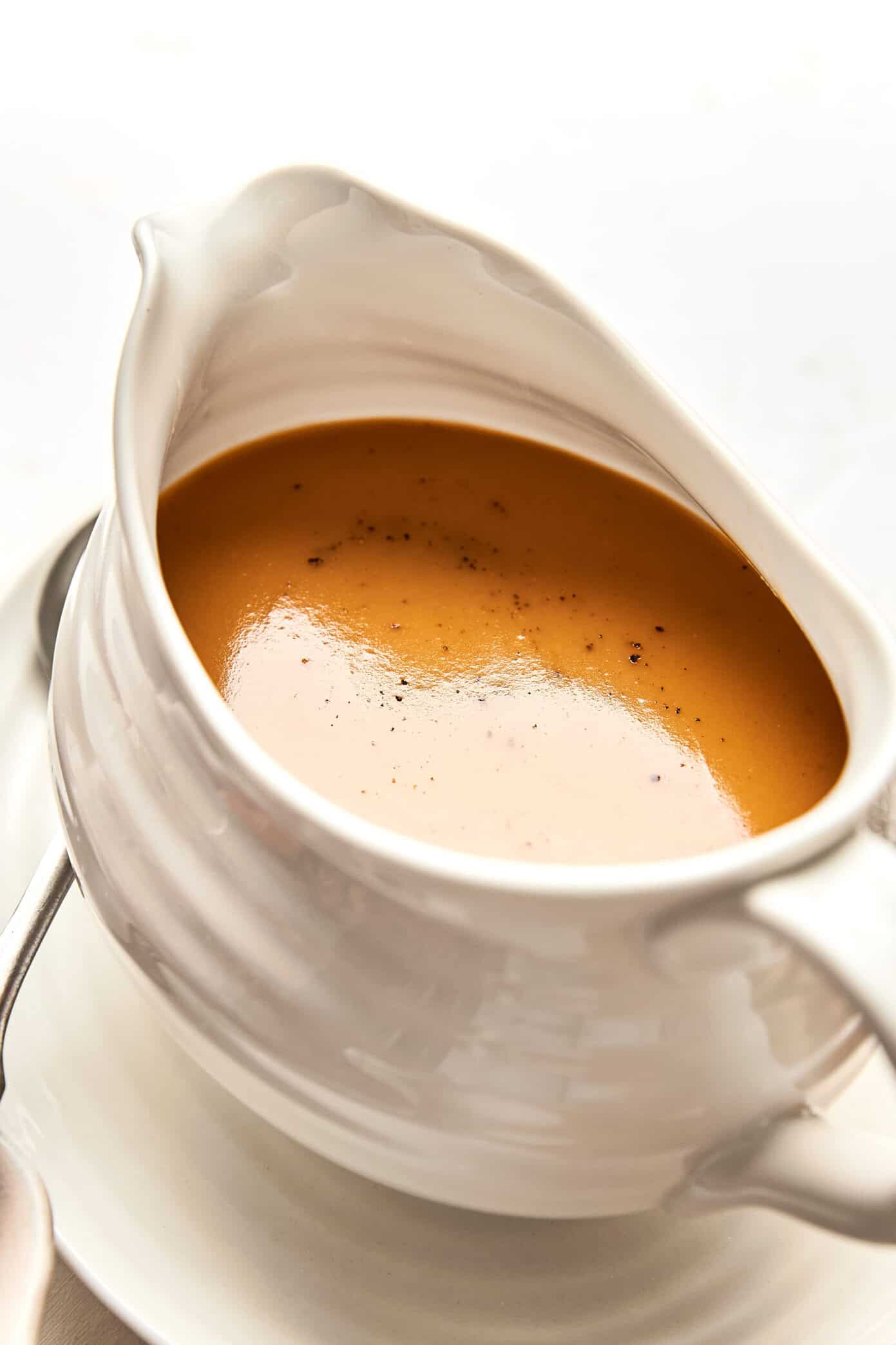
Mastering Turkey Gravy: Simple Steps for Rich, Lump-Free Results
Thanksgiving dinner, Christmas feast, or even a Sunday roast – no turkey meal is truly complete without a generous pouring of luscious, savory gravy. While store-bought options exist, there's absolutely nothing that compares to the depth of flavor and velvety texture of homemade turkey gravy. The secret ingredient? Those precious pan drippings from your roasted bird. Often overlooked, these drippings are liquid gold, infused with all the herbs, seasonings, and succulent goodness that make your turkey so delicious. And contrary to popular belief, creating this culinary masterpiece is incredibly simple, requiring just a few basic steps and about 20 minutes of your time.
This article will demystify the process, guiding you through making the most delicious, rich, and lump-free turkey gravy, transforming your holiday meal from great to unforgettable. Even if you're a novice in the kitchen, this foolproof turkey gravy recipe will quickly become a cherished part of your holiday tradition.
Why Pan Drippings are Your Gravy's Best Friend
Imagine all the aromatic flavors of your roasted turkey – the herbs, the spices, the delicious browned bits at the bottom of the pan – concentrating into a flavorful elixir. That's exactly what pan drippings are. They're not just a byproduct; they're the foundation of truly exceptional gravy. Using them means you're building flavor from an already delicious base, eliminating the need for artificial flavorings or excessive seasoning. Even if you only have a few tablespoons, these drippings are potent enough to infuse your gravy with an unparalleled holiday taste.
This approach isn't just about superior flavor; it's also practical. You're utilizing an ingredient you already have, saving money on pre-packaged gravies that often fall short in taste and texture. The beauty of this method lies in its flexibility. Whether you've roasted a modest turkey breast or a grand 20-pound bird, you can easily adjust the quantity of your homemade gravy by supplementing with quality broth or even a quick homemade giblet stock.
The Secret to Perfect Gravy: Mastering the Roux
At the heart of any good gravy is the roux – a fundamental technique in classic French cooking that, despite its fancy name, is remarkably easy to master. A roux is simply a mixture of equal parts fat and flour, cooked together to create a thickening agent for sauces, soups, and, of course, gravies. Understanding the roux is key to achieving that desirable silky, lump-free consistency that elevates your turkey gravy from good to gourmet.
Understanding the 1:1 Ratio of Fat to Flour
The golden rule for a perfect roux is a 1:1 ratio of fat to flour by volume. For turkey gravy, you'll typically skim about 3-4 tablespoons of fat from your pan drippings and then whisk in an equal amount of all-purpose flour. This precise ratio is crucial because it ensures proper thickening without making your gravy gummy or too thin. Too much flour, and you risk a pasty texture; too much fat, and your gravy can become oily.
Skimming the Fat: A Crucial First Step
Before you even think about the flour, you need to properly skim the fat from your pan drippings. As your turkey rests, and especially once the drippings cool slightly, the fat will naturally separate and rise to the top. Using a spoon, ladle, or a fat separator, carefully remove the clear or cloudy layer of fat. While you need some fat for the roux, too much residual fat in your drippings can lead to an oily or greasy gravy, diminishing its rich flavor. Aim to extract 3-4 tablespoons of pure fat for your roux, leaving the rest of the strained, flavorful liquid for the body of the gravy.
Cooking the Roux for Optimal Flavor and Texture
Once you've combined your skimmed fat and flour in a saucepan over medium heat, the next critical step is to cook the roux. Whisk constantly for 2 to 3 minutes, just until the mixture bubbles and turns a light golden color, developing a subtle, nutty fragrance. This cooking process serves two vital purposes:
- It cooks out the raw flour taste, which can otherwise leave an unpleasant, chalky flavor in your gravy.
- It helps to activate the starches in the flour, allowing them to thicken the liquid more effectively and smoothly.
There's no need for a dark roux here; a light, golden roux is perfect for turkey gravy, ensuring a smooth, toasty flavor without overpowering the delicate turkey notes. This simple step is what guarantees a truly delicious and well-rounded gravy.
Step-by-Step Guide to Your Best Turkey Gravy
With the principles of the roux understood, let's dive into the practical steps for creating a truly magnificent turkey gravy. This homemade turkey gravy recipe utilizes every ounce of flavor from your roast.
1. Prepare Your Pan Drippings
After your turkey is out of the oven and resting, carefully pour all the pan drippings from the roasting pan into a heatproof container or a fat separator. Allow the drippings to sit for a few minutes so the fat can separate and rise to the top. While the drippings are settling, you can scrape up any flavorful browned bits (fond) from the bottom of your roasting pan using a wooden spoon and a splash of hot water or broth. Add these to your drippings for extra flavor. Once separated, skim off 3-4 tablespoons of the clear fat for your roux and set aside the remaining flavorful liquid (the defatted drippings).
Pro Tip: For the absolute cleanest drippings, strain them through a fine-mesh sieve or cheesecloth to remove any small solids or herb bits before proceeding. This guarantees a silky smooth gravy.
2. Make the Roux
In a medium saucepan, melt the 3-4 tablespoons of skimmed turkey fat over medium heat. Once shimmering, whisk in an equal amount of all-purpose flour (3-4 tablespoons). Continue to whisk constantly for 2 to 3 minutes, allowing the roux to bubble gently and turn a light golden color. You'll notice a faint, pleasant, nutty aroma – this indicates that the raw flour taste has been cooked out.
3. Slowly Add Liquids
This is where patience pays off for lump-free gravy. Gradually pour the defatted turkey drippings into the roux, whisking continuously. Start with a small amount, ensuring it's fully incorporated before adding more. Once all the drippings are added, slowly pour in additional turkey or chicken stock/broth (start with 2-3 cups, adding more as needed). Continue whisking vigorously as you add the liquid to prevent lumps from forming. The mixture will initially look thick, but as you add more liquid, it will become smoother.
4. Simmer and Thicken
Bring the gravy mixture to a gentle simmer over medium heat, continuing to whisk occasionally. As it heats, the gravy will begin to thicken. Cook for about 5-10 minutes, or until it reaches your desired consistency. If you prefer a thicker gravy, simmer it for a little longer. If it becomes too thick, simply whisk in a splash more broth or hot water until it's just right.
5. Season and Serve
Once your gravy has reached its ideal thickness, taste it and adjust the seasonings as needed. It will likely need a pinch of salt and freshly ground black pepper. You might also consider adding a dash of herbs like finely chopped fresh sage or thyme for an extra aromatic touch. A tiny splash of white wine or sherry can also add complexity. Serve immediately, warm and velvety, over slices of turkey, mashed potatoes, or stuffing.
Troubleshooting & Customization: Elevating Your Gravy Game
Even the most experienced cooks encounter gravy challenges. Here’s how to troubleshoot common issues and personalize your turkey gravy recipe.
Solving Common Gravy Woes
- Lumps: If your gravy has lumps, don't despair! Pass it through a fine-mesh sieve into a clean saucepan. Whisking vigorously while adding liquid slowly is the best prevention.
- Too Thin: If your gravy isn't thickening enough, you have a few options. You can continue to simmer it gently to reduce it, or create a quick cornstarch slurry (1 tablespoon cornstarch mixed with 1 tablespoon cold water). Whisk the slurry into the simmering gravy and cook for another minute or two until thickened.
- Too Thick: Easily remedied! Just whisk in a little more hot broth, water, or even a splash of milk or cream until it reaches your preferred consistency.
- Too Greasy: If you accidentally left too much fat, let the gravy cool slightly, and the fat will rise to the top. Skim it off, then gently reheat.
Boosting Flavor and Yield with Giblet Stock
For an even deeper, more old-fashioned flavor profile and to yield extra gravy for larger crowds, consider making a quick giblet stock. Simply simmer the turkey neck, heart, and gizzards (avoiding the liver, which can impart a bitter taste) with an onion quarter, a carrot, a celery stalk, a bay leaf, and a few peppercorns in about 4-6 cups of water or broth for 30-60 minutes. Strain this flavorful stock and use it as part of your liquid when thickening your gravy. You can even chop the cooked giblets and add them back into the finished gravy for texture, if desired.
Creative Flavor Enhancements
While pan drippings provide an incredible base, you can always add subtle layers of flavor:
- Aromatics: Sauté finely minced shallots or garlic in a tiny bit of butter before adding your roux.
- Herbs: Incorporate fresh thyme, sage, or rosemary sprigs during the simmering phase, removing them before serving.
- Wine/Spirits: Deglaze your roasting pan with a splash of dry white wine or sherry before collecting the drippings. A tablespoon or two can also be added to the gravy as it simmers.
- Umami Boost: A dash of Worcestershire sauce, soy sauce, or even a tiny amount of mushroom powder can deepen the savory notes.
Making homemade turkey gravy from scratch is not only easy but incredibly rewarding. It’s a testament to using what you have and transforming simple ingredients into something truly extraordinary. With this guide, you have all the tools to create a rich, lump-free turkey gravy that will impress every guest at your table and make any meal feel like a celebration.
